Advance Metallurgical Private Limited- NABL Accredited Laboratory


 Send Inquiry
Milk Can Testing
Price 8000 INR/ Unit
MOQ : 1 Unit
Milk Can Testing Specification
- Operation
- Manual / Semi-Automatic
- Compatible Milk Can Types
- Aluminium and Stainless Steel Cans
- Pressure Range
- Up to 2 Bar
- Product Name
- Milk Can Testing
- Testing Medium
- Water or Air
- Test Type
- Leak and Pressure Test
- Application Industry
- Dairy Industry, Milk Collection Centers
- Accessories Included
- Valve, Pressure Gauge, Hoses
Milk Can Testing Trade Information
- Minimum Order Quantity
- 1 Unit
- Payment Terms
- Others
- Supply Ability
- 100 Units Per Week
- Delivery Time
- 100 Week
- Sample Policy
- If order is confirmed we will reimburse the sample cost
- Main Export Market(s)
- Australia, North America, South America, Eastern Europe, Western Europe, Middle East, Central America, Asia, Africa
- Main Domestic Market
- All India
About Milk Can Testing
Stainless Steel Milk cane are being used regularly for storage ,transportation and distribution of milk in dairy It needs to vigorous checked for various parameter prior to use.
We conduct all relevant quality control checks as per standards by experts team and certify the same for use.
Reliable Leak and Pressure Testing for Milk Cans
Ensure the safety and quality of your milk cans with our specialized testing service, compatible with both aluminium and stainless steel types. Using controlled water or air pressure, we accurately detect leaks and verify can integrity, helping dairy operations maintain high standards and minimize product loss during milk collection and transportation.
Efficient Manual and Semi-Automatic Operation
Our system adapts to your workflow, offering both manual and semi-automatic testing options. Easy-to-use accessories like valves, pressure gauges, and hoses make the testing procedure straightforward, reducing downtime and increasing productivity for milk collection staff.
FAQ's of Milk Can Testing:
Q: How is leak and pressure testing performed on milk cans?
A: Leak and pressure testing involves filling the milk can with water or air, then pressurizing it up to 2 Bar using the included valve and hoses. The pressure gauge monitors for drops, indicating potential leaks. This process ensures that the cans are free from defects before use in milk handling.Q: What types of milk cans are compatible with this testing service?
A: Our service is designed for aluminium and stainless steel milk cans commonly used in the dairy industry and milk collection centers across India. The accessories and testing procedures suit both materials, ensuring thorough evaluation.Q: When should milk cans undergo leak and pressure tests?
A: Leak and pressure testing should be carried out before first use, after repair, and periodically as part of routine maintenance to ensure can safety and sanitation. This helps prevent milk contamination and spillage during daily operations.Q: Where is this milk can testing service available?
A: Our service is provided throughout India, catering specifically to dairy industry stakeholders and milk collection centers, ensuring accessible and reliable support for can integrity testing.Q: What is the process for using this milk can testing setup?
A: Begin by connecting the hoses and valve to the milk can, fill or pressurize the can with water or air as the testing medium, then monitor the pressure gauge. Any pressure drop signals a leak, guiding further action or can replacement.Q: How does this testing benefit the dairy industry and collection centers?
A: This comprehensive testing service helps dairy facilities minimize product loss, uphold hygiene standards, and comply with industry regulations. Reliable can integrity ensures safe milk transport and efficient collection center operations.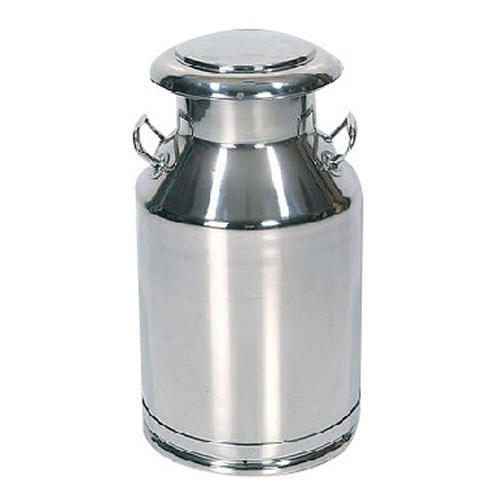
Tell us about your requirement

Price:
Quantity
Select Unit
- 50
- 100
- 200
- 250
- 500
- 1000+
Additional detail
Mobile number
Email



Contact Details

- A1-256/12, Near Bank of Baroda, GIDC, Makarpura,Vadodara - 390010, Gujarat, India
- Phone : 08045803075
Vadodara,Gujarat,India.

- Mr Jitendra D. Dave (Director)
- Mobile : 08045803075
-
 Send Inquiry
 Send Inquiry
 Send Inquiry
 Send SMS
Advance Metallurgical Private Limited
All Rights Reserved.(Terms of Use)
Developed and Managed by Infocom Network Private Limited.
Developed and Managed by Infocom Network Private Limited.

